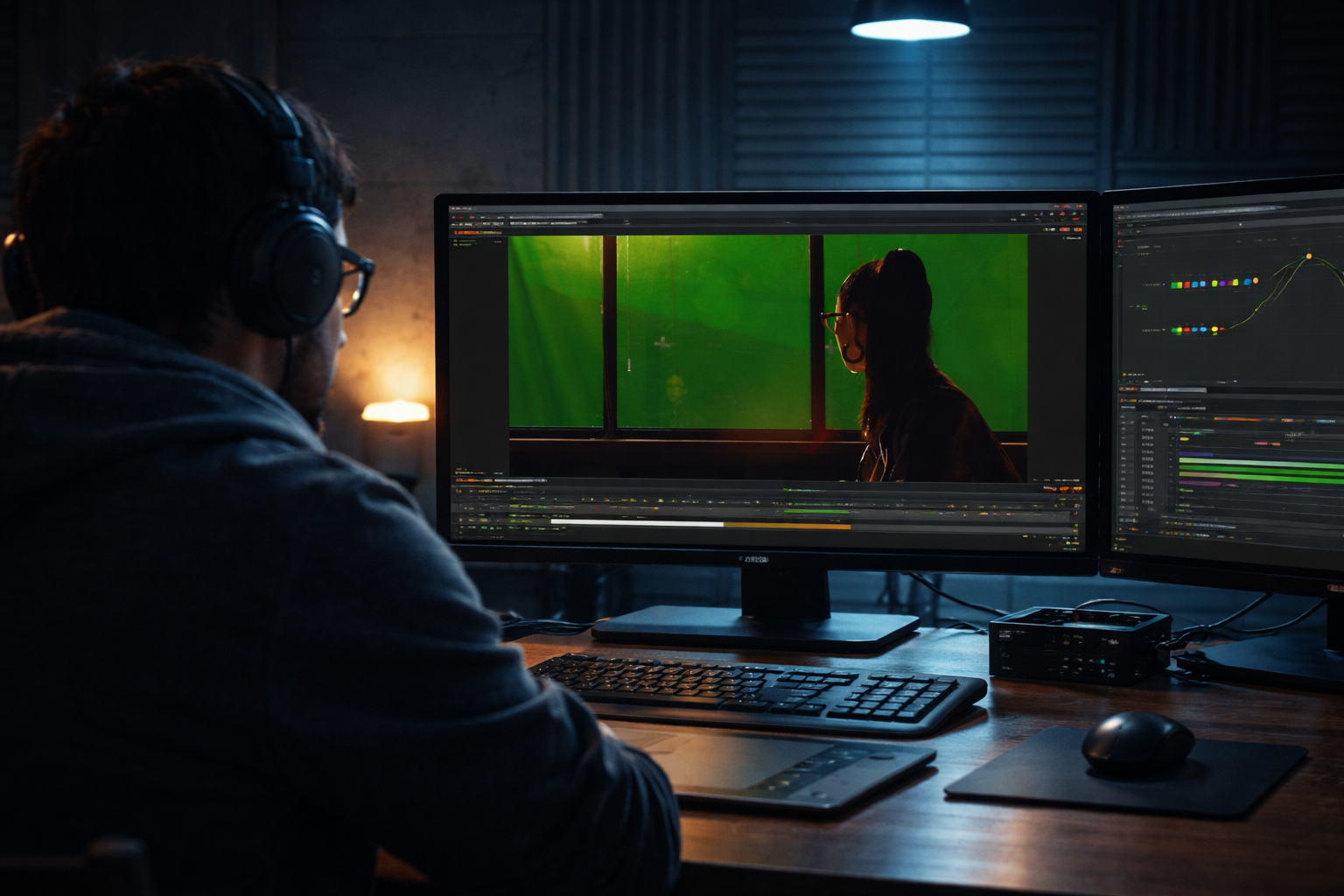
Posted in Frame Founder • Last updated on April 13, 2026


Compositing in VFX turns raw footage into cinematic visuals. It blends multiple elements into one seamless final shot. This process brings imagination closer to reality. In the film industry, compositing is a core step. It ensures visual consistency, realism, and storytelling depth. Without it, many scenes would feel incomplete or unrealistic.
Most articles only explain what compositing means, but they miss how the real workflow works in production. This guide explains the real compositing in VFX workflow. It also highlights its growing business impact in media production. Studios use it to improve quality, save time, and scale output.
Compositing in VFX is the process of combining live-action footage, CGI elements, and visual effects into a single, unified scene. If you are new, you can read what is compositing in VFX to understand the basics. It ensures that all elements match in lighting, color, depth, and perspective, making the final shot look realistic and visually consistent.
At its core, compositing in VFX is a crucial stage in the VFX compositing workflow where multiple visual layers are combined into a single final image. This process involves integrating live footage, CGI elements, background plates, and visual effects like smoke or light into one seamless scene. This integration reflects how CGI and compositing work together in films, where different elements are blended to create a unified visual. Each layer is carefully adjusted to match the environment and appear naturally connected.
In real production workflows, compositing goes beyond simply placing elements together. Artists refine lighting, color, shadows, and depth to ensure consistency across all layers. Both real and digital elements must blend without visible differences. When done correctly, the audience cannot distinguish between real footage and created visuals. However, poor compositing can make even a well-shot scene look unnatural.
Creating high-quality visual effects requires a clear and structured production process. Professional artists follow a step-by-step workflow to combine real footage with digital elements smoothly. This VFX compositing workflow ensures that every scene looks natural, realistic, and visually impressive.
Below is a simplified breakdown of how experts perform VFX compositing from the initial preparation stage to the final render.
The process starts with raw footage. Artists clean unwanted elements, fix errors, and prepare the base shot. Techniques like rotoscoping help separate the subject from the background, while cleanup helps remove wires, rigs, or unwanted background elements.

Next comes motion tracking and matchmove. In this step, artists track the camera movement from the original footage so that digital elements can follow the same motion. This helps the added visuals stay properly aligned with the scene. Without accurate tracking, the digital elements may look out of place and not blend naturally with the footage.

At this stage, digital elements are added to the scene, and the visual effects begin to take shape. This is where VFX work becomes clearly visible in the shot. Using proper VFX compositing, artists combine multiple layers and carefully adjust their position, size, and depth so that every element blends naturally with the original footage.
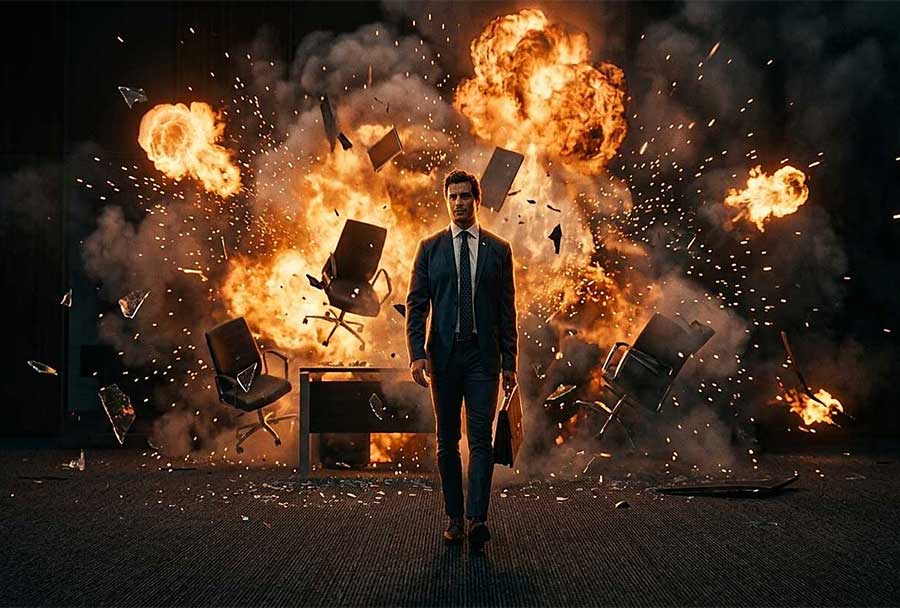
To make the scene look realistic, the lighting and shadows of all elements must match perfectly. Artists adjust color grading so that every layer shares the same color tone, brightness, and contrast. This process helps blend real footage and digital effects smoothly, making the final scene look natural, balanced, and visually believable.

The final stage of the process is rendering the completed shot. At this point, VFX compositing and editing are combined to create a clean and polished video ready for films, advertisements, or digital platforms.
During this stage, artists carefully review the scene to ensure every visual element blends smoothly. Effective compositing in VFX helps bring all layers together so the final shot looks natural and tells a clear, unified visual story.

In the VFX workflow, compositing methods can change based on the size of the project and the skill level of the artist. Basic compositing is commonly used in small projects, social media videos, or beginner editing work. It mainly involves placing different visual elements together, using simple masks, and adjusting colors so the added effects blend with the original footage.
For example, a video creator adds smoke effects or text to a scene and adjusts the brightness and color so that the new elements match the background and look natural in the video.
Professional studios follow advanced compositing for VFX, which involves more complex techniques and a structured pipeline. Artists work with multiple layers, depth passes, lighting adjustments, reflections, and shadow integration to achieve realistic results. For example, when adding a CGI object into a live-action scene, artists must carefully match the camera movement, lighting direction, and environmental reflections.
The main difference is that basic compositing focuses on simple visual blending, while advanced compositing ensures cinematic realism and seamless integration of every visual element. At the same time, understanding common VFX compositing mistakes and how to avoid them is also important.
Visual content plays an important role in how audiences understand and trust a brand or story. This is where VFX and compositing become valuable in modern media production, especially across areas like compositing for different industries.
When used correctly, these techniques can improve visual quality and support better business results across advertising, film production, and digital marketing.
In advertising, strong visuals help capture attention quickly. Well-executed VFX and compositing allow brands to create scenes that are difficult or expensive to shoot in real life. Clean visuals, smooth effects, and well-blended elements can make advertisements more engaging, which often helps viewers stay interested in the message.
In the film industry, composition in film making is essential for creating believable environments and storytelling. Compositing helps combine live-action footage with digital environments, effects, or background elements. When done properly, it improves visual depth and supports the creative vision of the filmmakers.
High-quality visuals often reflect professionalism. When companies use polished visual effects, audiences may perceive the brand as more credible and modern. Consistent quality in video production helps maintain a strong visual identity.
Another advantage of VFX and compositing is production flexibility. Instead of building large physical sets or traveling to multiple locations, digital compositing can recreate environments efficiently. This approach can help production teams balance visual quality while managing overall production costs.
Behind every impressive visual effects scene, there is a complex process that many viewers do not see. Many tutorials only explain tools and techniques, and confusion often arises when understanding the difference between VFX & video editing, but the real work of compositing in VFX also includes several practical challenges. These challenges can affect both the speed of the work and the quality of the final result.
In professional projects like compositing film, artists must balance creativity with technical accuracy. Even small issues with lighting, tracking, or rendering can slow down the workflow. From real production experience and common VFX pipelines, several challenges often appear during the compositing process.
We watch movies or videos with visual effects but cannot always tell why some scenes look realistic while others look artificial. There are a few simple signs that can help you understand the quality of the compositing work.
In professional filmmaking, good visual compositing in film focuses on blending real footage and digital elements so smoothly that viewers cannot notice the difference. When compositing is done properly, every element in the scene looks natural and fits well within the environment.
Here are a few simple things you can check to identify high-quality VFX compositing:
Understanding the tools and workflow is important, but choosing a reliable VFX compositing service provider is also essential for achieving high-quality and consistent results.
Professional studios use advanced software to handle complex visual effects work. These tools help artists combine different visual elements, control layers, and create realistic scenes. If you want to understand the differences between popular tools used in the industry, you can explore our guide on the best software for VFX compositing. In a typical VFX compositing pipeline, industry-standard tools are used to manage the workflow efficiently.
The future of visual effects production is evolving with the help of new technologies. In modern production pipelines, studios often outsource VFX compositing to specialized teams to manage complex shots and maintain faster delivery timelines. Artificial intelligence is also starting to assist artists with tasks such as rotoscoping, object detection, and background cleanup. These tools do not replace artists but help reduce repetitive work.
Automation is further improving production pipelines. Artists can process multiple layers, color adjustments, and scene elements faster than before. Another growing trend is real-time compositing, where artists can preview effects instantly instead of waiting for long render times
As technology continues to develop, compositing in VFX will become faster and more efficient. This allows artists to focus more on creativity while modern tools support the technical side of the workflow.
Visual effects production depends on a structured compositing process that blends multiple visual elements into one seamless scene. From footage preparation to final rendering, each step requires technical skill, planning, and attention to detail. Understanding the workflow, challenges, and evolving tools helps creators produce more realistic visual content. As technology continues to improve, compositing in VFX will keep evolving with faster tools and smarter workflows, helping artists create high-quality visual experiences for films, advertising, and digital media.
If you are planning a project, it is also important to learn how to choose the right VFX compositing company for your production needs.
24 hours. That's all it will take you to figure out the cost benefits of outsourcing!